
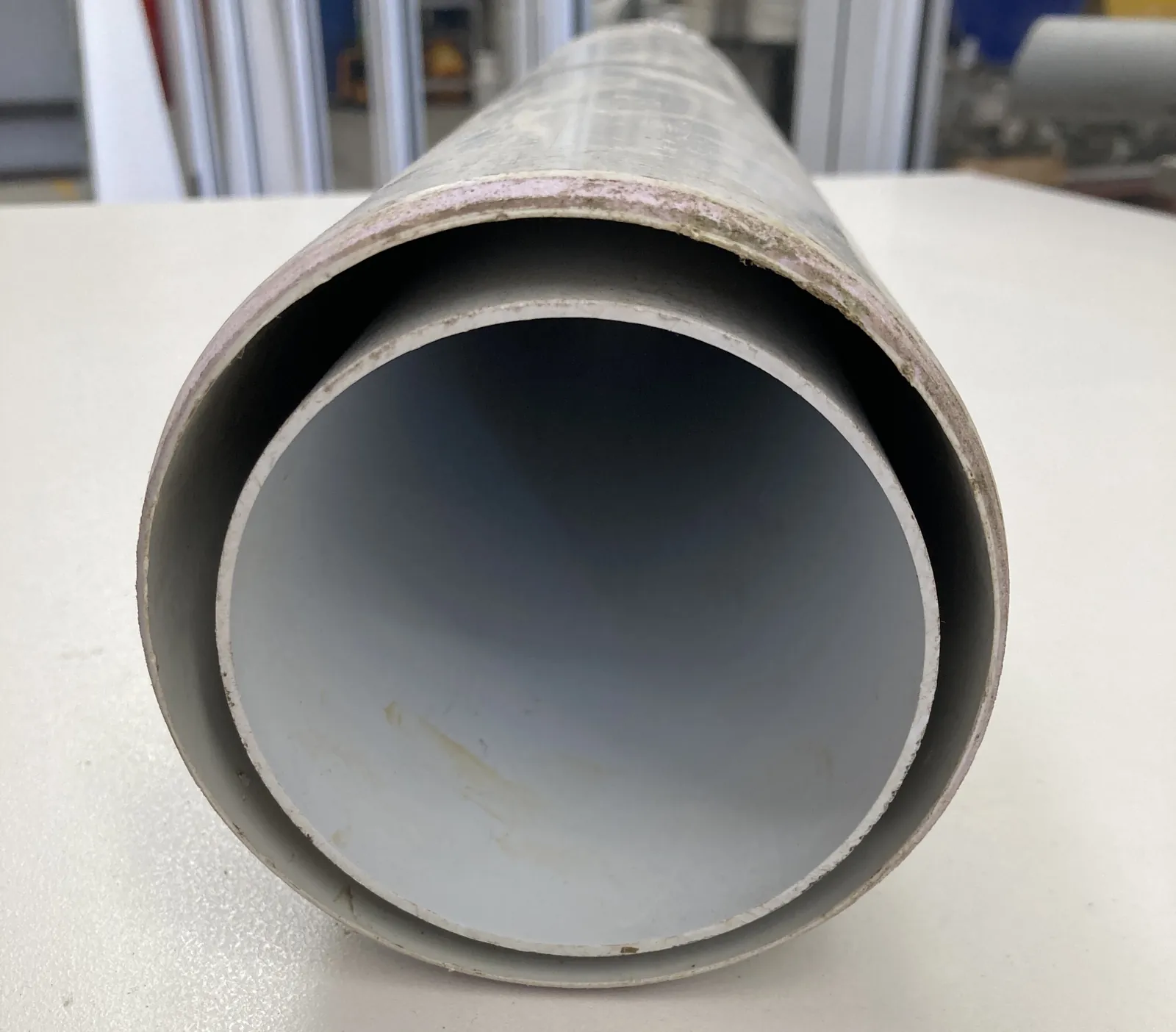
Why 10mm matters
For a long time, 100mm PVC was the standard size for both stormwater and sewer drains. In the past 5 years or so, 90mm PVC has become much more popular. Believe it or not, that 10mm gap can cause a few problems when the drain blocks and needs clearing.
Tight bends
Getting a camera or drain clearing gear around a 90° bend is tight in any drain. Add two or three bends to a 90mm drain and getting through them all becomes almost impossible.
T junctions
Many 90mm drains are laid with a T junction, a right angle joint, instead of a gentler 45° junction. A drain camera can easily go either way through a T junction. That can confuse the operator, who sometimes can’t tell which way he is looking.
90mm pipes squash more easily
90mm PVC drains are often made from recycled material. That makes them less rigid than 100mm pipes, so they squash more easily.
You’ll most likely find 90mm pipes in new houses built in the past five years or so, where they have almost replaced 100mm drains. Sadly, many 90mm stormwater drains are not laid fully to the rules. So they tend to block more easily.
What this means for you
If your drains are 90mm, they may take longer to clear than normal drains. In some cases we might not be able to reach the blockage at all. So we may not be in and out in an hour, like we often are with other drains.
If you know your drains are 90mm, please tell us before we come out. It helps us both know what to expect. Not sure if yours are 90mm or 100mm? Ask our friendly team.